

Psychotherapist
Seattle & Bainbridge Island
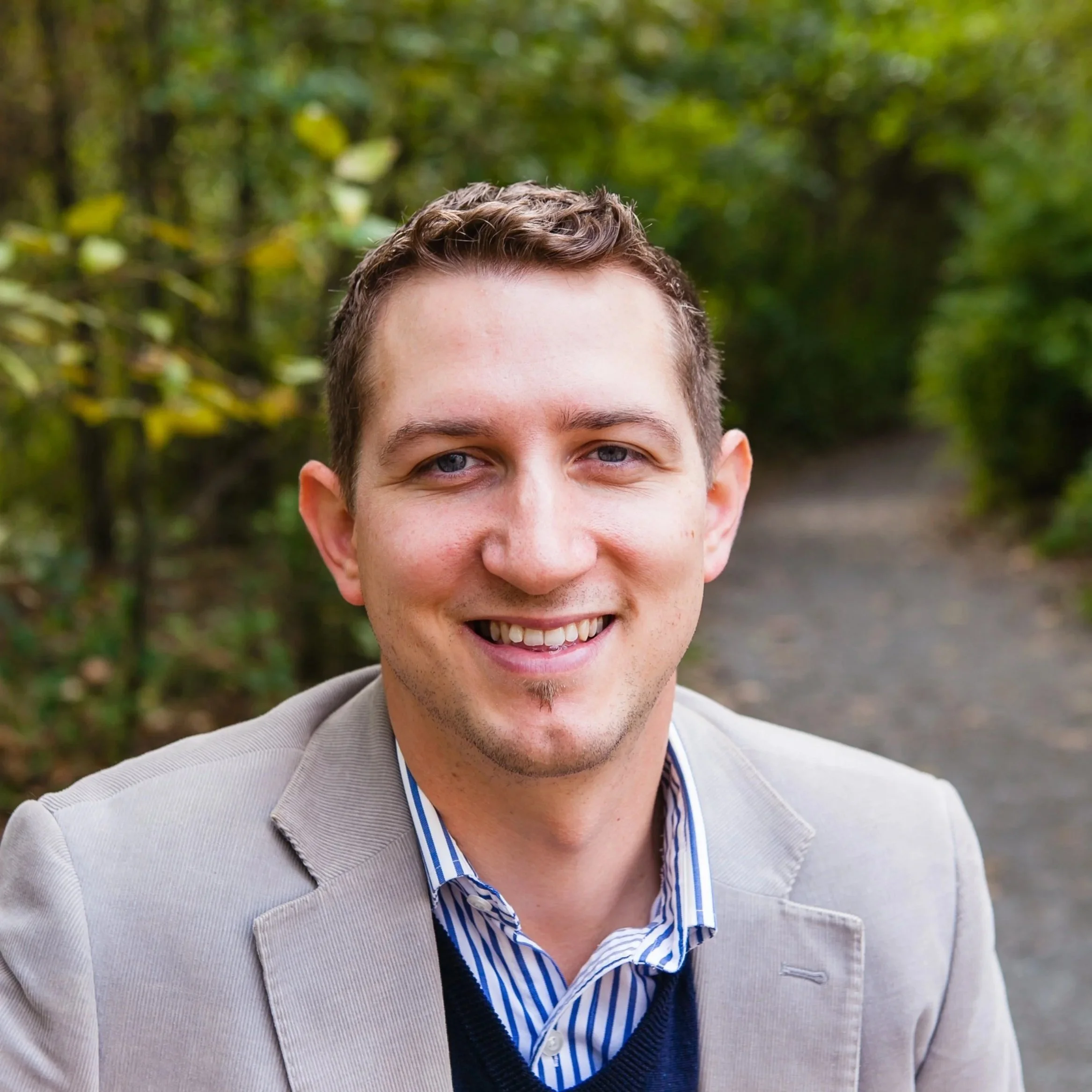
Sean Jackson, MA, LMHC
I provide individuals, couples, and families with experienced, insightful, and depth-oriented therapy that opens the door to hope, healing, and change.
I work daily with people from a variety of backgrounds who are making the choice to invest in themselves and their relationships. By seeking help and therapy, these couples, families, and individuals are making the brave choice to imagine a different future with greater understanding, less confusion, and more connection.
It would be an honor to be your guide on this journey.
My Approach
How we are in the world, what we do, and how we feel is impacted by deeper forces than most people are aware.
I help patients develop a deeper awareness and understanding of themselves, their origins, and how their early experiences shape who they are.
This deeper level explores further than the surface situations, behaviors, and emotions of everyday life. It takes us to the very roots of our struggles. We take time and space to explore what is behind your behaviors and emotions, to the stories, experiences, and beliefs that have shaped who you are.
The most impactful stories are often those from early childhood. For good and bad, our family of origin experiences and our early attachments impact how we make sense of ourselves and the world around us. Many of us have very difficult early experiences that can be overwhelming and scary to sort through. But without understanding what’s at the core of our life experience, we will be limited in making the connections and positive changes we desire.
It's important that this work is approached with great care, gentleness, and compassion. When I work with patients, we take it as slow as needed, for as long as needed, to be able to process and engage with these significant younger experiences.
It’s deeply rewarding work to walk with patients as they brave these deep waters, and come out the other side experiencing real healing, more connection, meaningful growth, and positive lasting change in their lives.
Specialization
I specialize in British Object Relations, a psychoanalytic theory grounded in a developmental perspective on healing and change. This theory provides a structure for the therapist and patient to explore those early experiences that have shaped who they are. This framework provides a way to think about the emotional connections between the ways we attached or connected to early experiences and people in our lives, and how those early relationships impact how we relate to ourselves and our current relationships.
As a clinician trained in British Object Relations, I am an active member of the Center for Objections, serving on the board, providing guidance as the education committee chair, teaching clinician classes, and leading clinician consult groups.
Why choose to work with me
There are a few things my patients can expect from me: I am a consistent and dependable guide in this process. I lead with kindness, consistency, and thoughtfulness. I provide patients with a safe place to think and process, to be heard, and to be silent. I listen deeply to what you say and to what you don’t say. And I will make thoughtful observations to help facilitate your own connections in better understanding yourself.
For almost as long as I’ve been in practice, I have been in my own regular weekly therapeutic work with my own therapist. I am continually growing and doing this deep work myself, so I am uniquely equipped to walk with patients through their own growth process.
In my twenty plus years of working with individuals, couples, children, and families, I have had the privilege of working through some of the most difficult experinces with my patients. I welcome each patients story and personality parts, no matter how difficult. We are complex and nuanced people. Together we can get to know these complexities and grow in our understanding and acceptance of all of who you are.

Call to get started
206-369-4792
Frequently Asked Questions
-
LMHC is a designation for Licensed Mental Health Counselor. This means that I am licensed in the state of Washington as a psychotherapist. This requires a Master’s Level education, a specified amount of supervised clinical hours, passing a licensure exam, and continuing education and training as psychotherapist.
-
Psychotherapy is a specific type of therapy that involves working with the psyche, meaning our mind, thoughts, feelings, behaviors, and beliefs. It’s a term that designates this type of therapy aside from other therapies, i.e. physical therapy or speech therapy.
In this this type of work, therapy is a process where therapist and patient commit to a consistent time and space to think and feel together. It is collaborative work in which the patient and therapist explore the patient’s internal world of emotions, beliefs, and experiences that shape who they are and how they interact in the world.
-
This was a change I made about a decade ago when I realized that patient better describes this type of working relationship. In most client/consultant relationships, the work is about exchanging ideas and receiving expertise for a particular problem. In therapy, the work is similar to that of a physician/patient relationship because there is a recognition of the patient’s need for collaborative care and healing in their own growth process. Meaningful therapy is about engaging deeper needs. It brings the whole person into the process, not just the mind.
-
Some therapies focus on remedying undesirable behaviors. Patients look to a therapist to tell them what to do about a particular problem, or how to change unwanted behaviors. These therapists may give patients homework such as books to read or new behaviors or mindsets to try.
Unfortunately, this work is often surface-level, and the results, while sometimes helpful in the shorter term, are not usually meaningful or lasting. Those who choose cognitive behavioral therapy, often end up returning to similar, or even the same unhelpful behaviors. They often also experience significant feelings of shame because they believe they have failed or didn’t try hard enough.
Some therapeutic models focus on this work of recognizing and understanding how our emotions impact our relationships and behaviors. This is a step deeper than behavioral therapy. Therapists help patients work through their feelings through validation and listening.
Over the past 20+ years in practice, I have found a still deeper approach to therapy is most effective and successful for my patients.
Much of my work is based in British Object Relations, a psychoanalytic theory grounded in a developmental perspective on healing and change. This theory provides a structure for therapist and patient to explore those early experiences that have shaped who they are. This framework provides connections between the ways we attached or connected to early experiences and people in our lives, and how those early relationships impact how we relate to ourselves and our current relationships.
My patients experience meaningful healing, deeper connection to themselves and others, dynamic growth, and lasting change in their lives.
-
I am not an in-network provider for any insurance providers. However, at our initial intake call we can discuss insurance billing options, reimbursement, and other payment options.
Education & Experience
Sean Jackson is a licensed therapist with 20+ years in private counseling practice
-
Master of Arts in Counseling Psychology
The Seattle School of Theology and Psychology, 2005Bachelor of Arts in Psychology
Seattle Pacific University, 2002 -
Prodigal Counseling
Psychotherapist (2005 - present)Center for Object Relations
Class Instructor
Board Member
Education Committee ChairThe Seattle School of Theology & Psychology
Practicum LeaderState of Washington
Certified Family Preservation TherapistShoreline School District
Family AdvocateOlive Crest
Case ManagerSwedish Medical Center
Mental Health SpecialistSeattle Pacific University's Student Counseling Center
Intern -
Center for Object Relations
Class InstructorCenter for Object Relations
Clinician Group Consultation FacilitatorThe Seattle School of Theology & Psychology
Practicum Leader
Contact Sean
Call me at 206-369-4792 to discuss working together, or send me a message on this form.